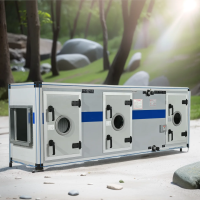
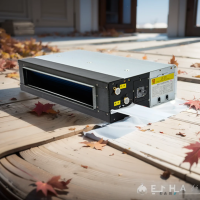
Fan coil units (FCUs) are among the most widely used terminal air handling devices in modern HVAC systems. Composed of a fan, heat exchange coil, air filter, and housing, they serve as a core component of semi-centralized air conditioning systems. By driving air across chilled or hot water coils, FCUs facilitate heat exchange with room air to maintain comfortable temperatures. Thanks to their flexibility and efficiency, they have become a staple in commercial and residential buildings alike.
Like any mechanical system, FCUs can develop issues over time. Here are five of the most common problems—and how to fix them like a pro.
What you might see: Water dripping from the unit or drain pan, especially during summer operation.
Damaged or missing insulation
Excessively high humidity
Chilled water temperature too low
Clogged drain line or pan
Leaky valves, fittings, or piping
Identify whether it’s condensation or an actual leak.
Adjust chilled water temperature to the standard range (7–12°C or 45–55°F).
Regularly clear the drain pan and pipe; ensure proper slope.
In high-humidity environments, increase supply air temperature or use a dehumidifier.
Inspect and close drain valve openings if necessary.
Check pipes, valves, and fittings; replace if damaged.
What you might see: Weak airflow from vents, poor cooling or heating performance.
Clogged air filter
Failing motor or reduced RPM
Excessive duct resistance
Clean or replace the air filter regularly.
Test motor amperage and speed; replace the motor if needed.
Have your duct system inspected for obstructions or poor layout.
What you might hear: Grinding, vibrating, or rattling sounds during operation.
Dirty or bent fan blades
Worn-out bearings
Loose mounting or lack of vibration isolation
Air trapped in the piping
Clean and straighten fan blades.
Replace worn bearings.
Tighten mounting hardware; add vibration dampeners.
Bleed air from the system using purge valves.
What you might see: Reduced temperature difference between supply and return water; weak performance.
Dirty coils
Air trapped in the hydronic system
Low water flow
Scale buildup inside coils
Clean the coils professionally.
Install automatic air vents and purge air regularly.
Check pump performance and strainers; ensure proper flow.
Schedule periodic chemical flushing of the water system.
What you might see: Unit not turning on, unresponsive controls, or short cycling.
Faulty thermostat
Defective electric or solenoid valve
Wiring issues
Incorrect control programming
Test and replace the thermostat if needed.
Check valve operation and replace if faulty.
Inspect electrical connections (leave this to pros!).
Reset or update control parameters.
Routine maintenance is the best way to keep your fan coil units running smoothly and efficiently. We recommend basic cleaning every quarter and a full system check—including electrical, hydraulic, and control components—at least once a year.
If you run into a problem you can’t solve, always call a qualified HVAC technician. Safety and performance go hand-in-hand.
Q:How do you clean a fan coil?
A:To clean the coils, remove the motor and blower, then brush between the fins and vacuum them. Alternatively, use compressed air to blow through the coils from the outlet side.
Q:What is the lifespan of a fan coil unit?
A:The typical lifespan of a fan coil unit is 20 to 25 years. Depending on the age, condition, and efficiency of the overall system, replacement or refurbishment may then be necessary.